
Nishio-san and Kashima-san
The Character of RainThis flow follows the clash between Nishio-san's affection for the household and Kashima-san's historical grievance and aristocratic resentment.
increasing Bearing strength in each event
 decreasing
Bearing strength in each eventdecreasingAn Unequal Household

An Unequal Household
Contrasting positions
Nishio-san is young, poor, and gentle; Kashima-san is older, aristocratic, and embittered by the loss of her former status. Kashima-san leaves most of the labor to Nishio-san.
Friction becomes routine
Their different experiences of class and history shape daily interactions. Kashima-san’s contempt is not merely personal; it carries the weight of a transformed social order.
Arguments over the Past
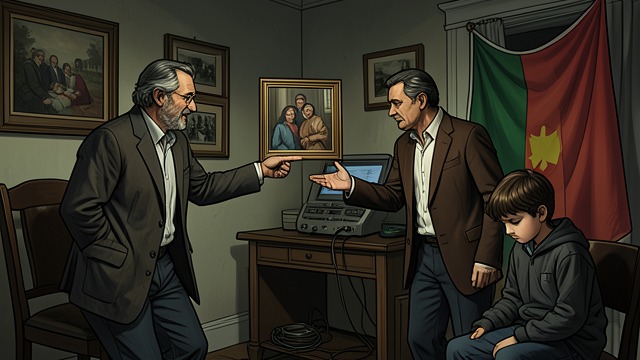
Arguments over the Past
Blame assigned
Kashima-san condemns white people for Japan’s humiliation and treats the family as part of the occupying side. Nishio-san counters that the parents were children during the war.
Loyalty challenged
Kashima-san calls Nishio-san disloyal for working with foreigners. Nishio-san refuses the idea that historical injury excuses cruelty toward the people around them.
The Child as Audience
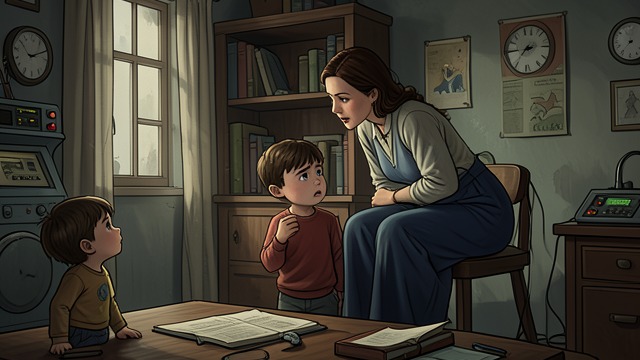
The Child as Audience
Prejudice spoken aloud
Kashima-san dismisses the Narrator (God) as a baby who can be won with food. Nishio-san warns her that the child understands the conversation.
Affection put at risk
Kashima-san does not soften her words. The exchange exposes a conflict between Nishio-san’s protective love and Kashima-san’s deliberate refusal to care about the child’s feelings.
Resignation and Appeal
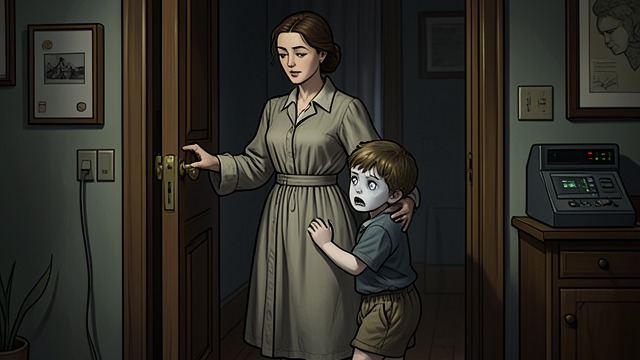
Resignation and Appeal
Nishio-san plans to leave
Nishio-san tells Father she is tired and wants time for her daughters. The Narrator (God) has heard Kashima-san press her with accusations and believes that conflict lies behind the decision.
The child intervenes
The Narrator (God) begs Nishio-san to stay and reports what was overheard. The household dispute becomes an intimate crisis for the child, who cannot accept separation.
A Temporary Settlement
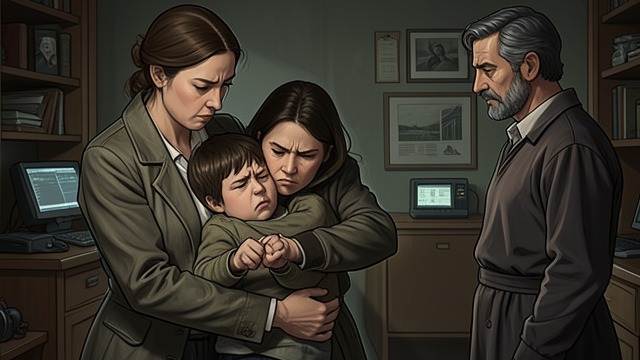
A Temporary Settlement
A decision to remain
Father speaks privately with Nishio-san, who returns to reassure the child that she will stay. The immediate dispute is settled without erasing the underlying differences.
Unease persists
Kashima-san sees the embrace and watches the bond continue. The child understands that Nishio-san’s promise delays loss rather than abolishing it.
After both nannies work for the family
During the household’s early months together
Before Nishio-san's resignation announcement
At age three, after the pantry conversation
Later the same day
